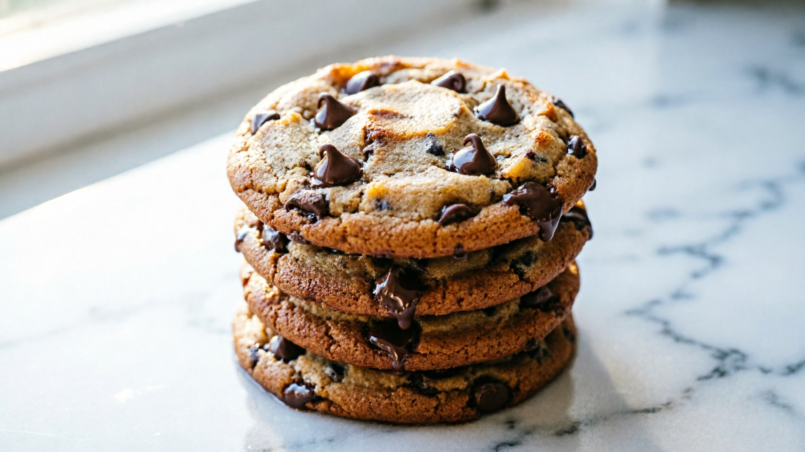
My nephew found out he was allergic to milk protein when he was two, and for years the birthday parties were the hardest part — every table had a cookie tray he couldn’t touch. His mom finally asked me to just fix it, and I’ll admit my first two attempts were rock hard, flavorless disasters. The problem wasn’t the missing dairy at all — it was that I kept treating the substitutes like they’d behave exactly like butter and milk chocolate. They don’t. Once I stopped fighting that and adjusted the technique instead, these dairy-free cookies came out just as soft, chewy, and chocolatey as any classic version — my nephew included them in his own birthday spread last year, and nobody at the table could tell the difference.
Table of Contents
- Why This Recipe Works
- Ingredients
- How to Make Dairy-Free Cookies
- Pro Tips
- How to Store and Freeze
- Frequently Asked Questions
- Nutrition
- More Recipes You’ll Love
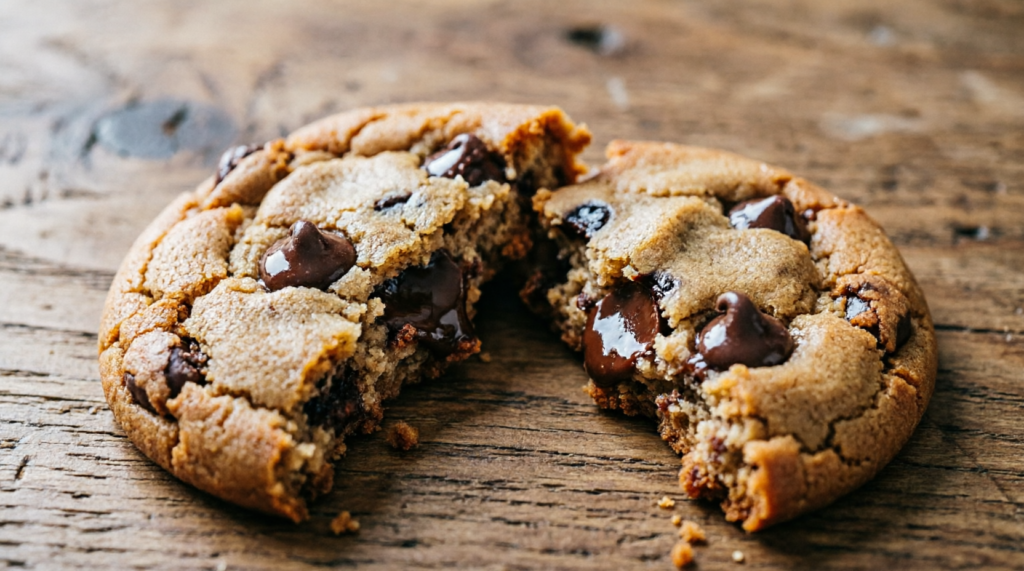
Why This Recipe Works
Dairy shows up in cookies in two places that most substitution guides gloss over: the fat, and the chocolate itself. Getting both right is what makes the difference between a cookie that tastes “adjusted” and one that just tastes good.
- A solid, block-style plant-based butter — not a spreadable tub — mimics real butter’s fat content closely enough to cream properly and hold structure in the oven.
- Certified dairy-free chocolate chips matter more than people expect. Many “dark chocolate” chips still contain milk fat as a processing aid, so the label needs to say dairy-free specifically, not just dark.
- A touch of extra vanilla helps round out the flavor, since dairy-free butter alternatives tend to taste slightly more neutral than real butter.
Ingredients
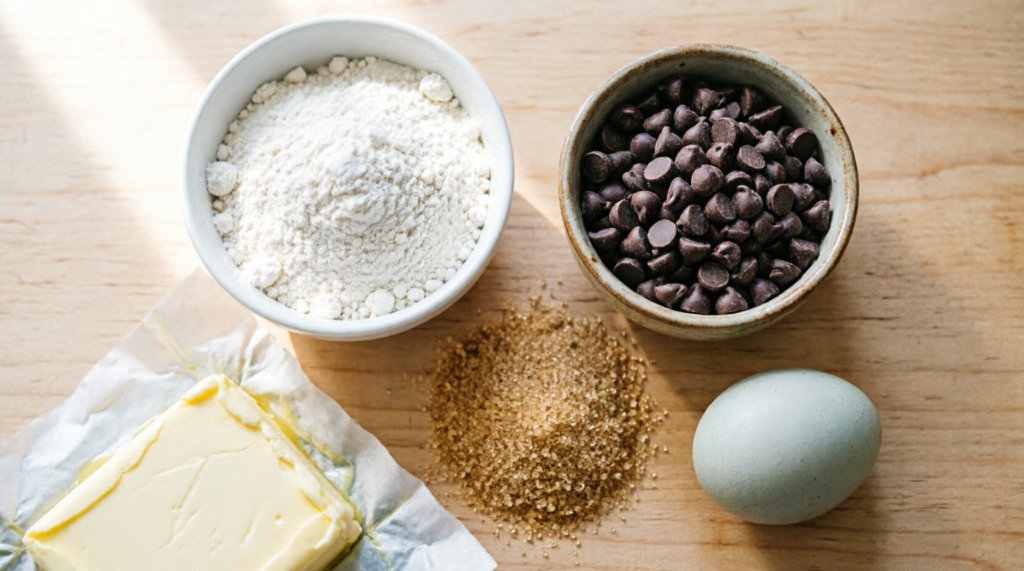
- 1 cup (226g) dairy-free block-style butter, softened
- ¾ cup (150g) brown sugar, packed
- ¼ cup (50g) granulated sugar
- 1 large egg, room temperature
- 1 ½ tsp vanilla extract
- 2 ¼ cups (280g) all-purpose flour
- 1 tsp baking soda
- ½ tsp salt
- 2 cups (340g) certified dairy-free chocolate chips
Egg-free option: for a version without egg as well, follow the water-swap method in our Eggless Chocolate Chip Cookies recipe alongside these dairy-free swaps.
How to Make Dairy-Free Cookies
- Preheat your oven to 350°F (175°C) and line baking sheets with parchment paper.
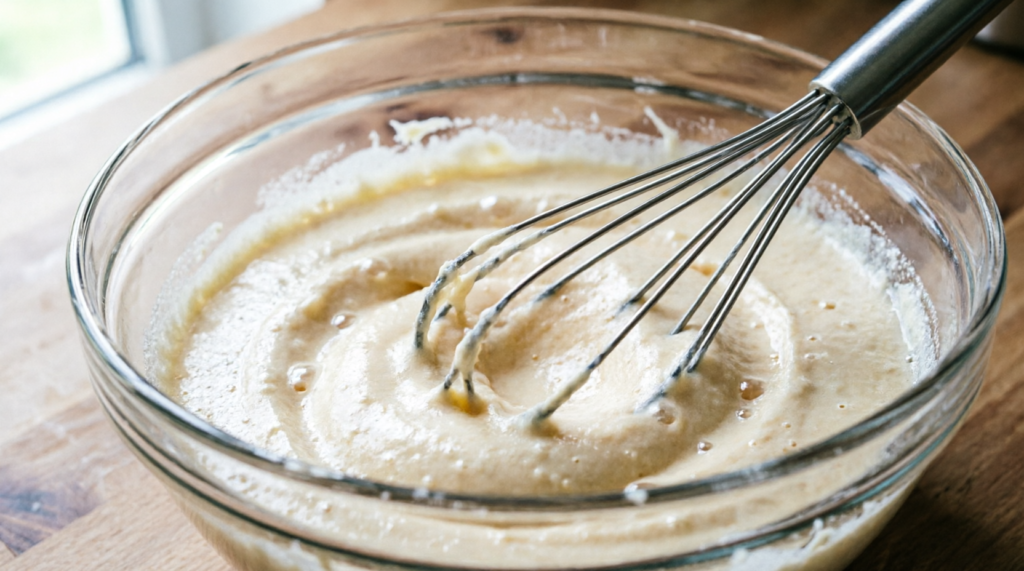
- Cream the dairy-free butter and both sugars together until light and fluffy, about 2–3 minutes.
- Beat in the egg and vanilla until smooth.
- In a separate bowl, whisk together the flour, baking soda, and salt.
- Fold the dry ingredients into the wet mixture until just combined.
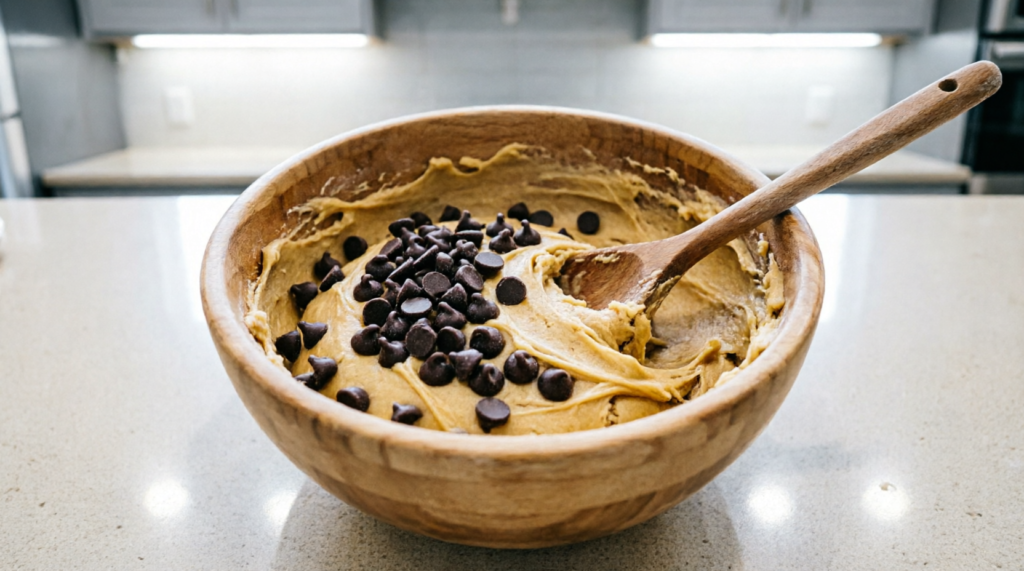
- Fold in the dairy-free chocolate chips.
- Chill the dough for 20–30 minutes — dairy-free butter tends to be softer than real butter, so this step matters more here than in a standard recipe.
- Scoop dough into balls and place 2 inches apart on the baking sheet.
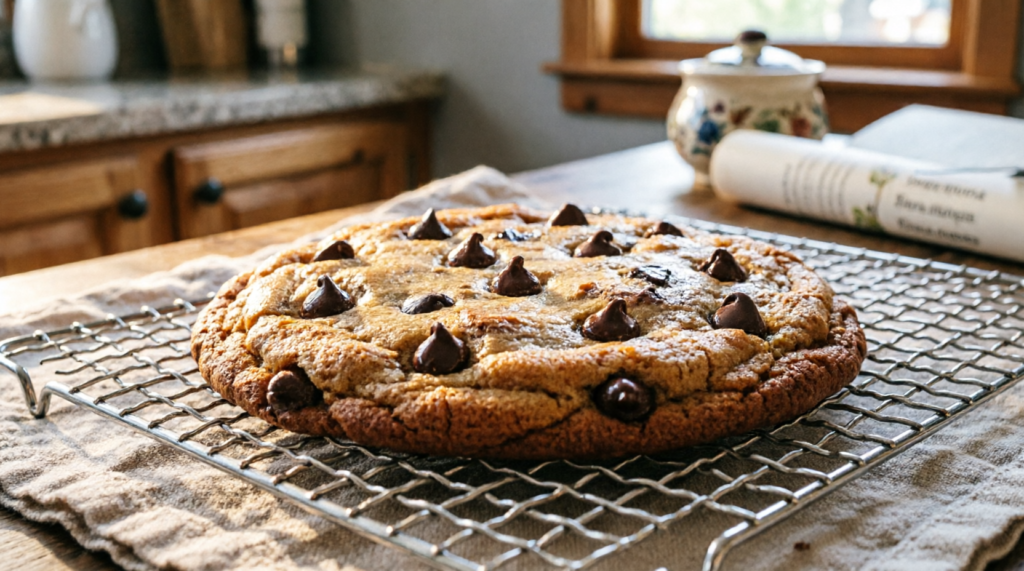
- Bake for 10–12 minutes, until the edges are golden and the centers still look soft.
- Cool on the tray for 5 minutes before transferring to a wire rack.
Pro Tips
- Always check the label, not just the front-of-package claims — some “dark chocolate” and even some marked “non-dairy” products still list milk fat or whey as an ingredient.
- Use the block-style butter, not the tub kind meant for spreading on toast — the tub versions have more water content and won’t cream the same way.
- Don’t skip chilling — dairy-free butter alternatives soften and spread faster in the oven than real butter does.
- If someone in your household has a true dairy allergy rather than just a preference, Mayo Clinic notes that even trace amounts of milk protein can trigger a reaction, so double-check every ingredient label carefully rather than assuming a product is safe.
How to Store and Freeze
Room temperature: Store in an airtight container for up to 5 days.
Freezing baked cookies: Freeze in a single layer, then transfer to a freezer bag for up to 3 months.
Freezing cookie dough: Scoop into balls, freeze on a tray until solid, then store in a freezer bag. Bake straight from frozen, adding 1–2 extra minutes.
Frequently Asked Questions
What’s the difference between dairy-free and vegan cookies?
Dairy-free simply means no milk-derived ingredients. Vegan goes further and also excludes egg. This recipe is dairy-free but still contains egg — if you need both, combine these swaps with the egg-free method in our Eggless Chocolate Chip Cookies.
Can I use coconut oil instead of dairy-free butter?
You can, though the texture will be slightly different — coconut oil is 100% fat with no water content, so cookies made with it tend to spread more and turn out slightly greasier at the edges.
Why did my cookies spread too much?
This is almost always because the dairy-free butter was too soft or the dough wasn’t chilled. Make sure to chill the dough for the full 20–30 minutes before baking.
Is this recipe also gluten-free?
Not as written, but you can substitute a 1:1 gluten-free flour blend. For a dedicated gluten-free recipe, see our Gluten-Free Cookie Dough.
Nutrition (Per Cookie, Approximate)
Calories: 195 | Carbohydrates: 25g | Protein: 2g | Fat: 10g | Sugar: 16g
Nutrition values are estimated and may vary based on exact ingredients used.
More Recipes You’ll Love
| Recipe | Category |
|---|---|
| Gluten-Free Cookie Dough | Dietary Friendly Cookies |
| Eggless Chocolate Chip Cookies | Chocolate Chip Cookies |
| Milk Chocolate Chip Cookies | Chocolate Chip Cookies |